
Turning a hit film into a franchise
Released in 1979, Going Steady (יוצאים קבוע) arrived less than a year after Lemon Popsicle became one of the biggest successes in Israeli cinema history. What began as a nostalgic coming-of-age film suddenly evolved into an ongoing series built around Benzi, Momo and Yudale.
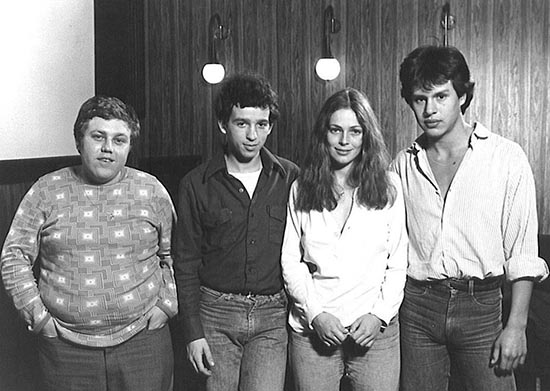
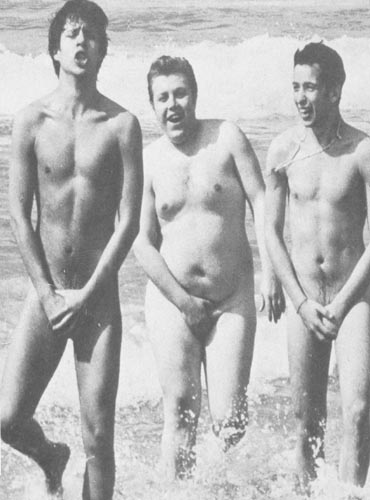
Boaz Davidson returned to direct alongside writer Eli Tavor, with producers Menahem Golan and Yoram Globus moving quickly to capitalise on the popularity of the first film. Rather than dramatically changing the formula, the sequel deepened the emotional side of the story and placed greater focus on romance, heartbreak and the idea of “going steady”.
The Hebrew title itself reflected a specific period in Israeli youth culture. By the late 1950s and early 1960s, American music, fashion and teenage dating culture had begun reshaping everyday life in Israel, particularly in Tel Aviv. The film captures that transition through dance halls, jukeboxes, beaches, cafés and the awkward rituals of young relationships.
An Israeli teenage world
Much of the humour and atmosphere came from recognisable local details rather than broad parody. Strict parents, crowded apartments, neighbourhood gossip, awkward family dinners and even the brief image of live carp in a bathtub referenced everyday Ashkenazi household memories that Israeli audiences of the time immediately understood.
The sequel also introduced Yvonne Miklosh as Tammy, creating a softer romantic counterpart to Benzi and shifting the emotional balance of the film away from pure sexual comedy. While the boys still chase girls and stumble through humiliating situations, Going Steady gives Benzi a more vulnerable and sentimental storyline than the original film.
Behind the scenes, the production moved quickly and retained the loose, youthful energy of the first film. Many scenes were filmed on real Tel Aviv streets and practical locations rather than controlled studio sets, helping preserve the semi-documentary realism that became part of the series’ identity.
By the time the film reached cinemas, the cast had become major youth celebrities in Israel. Audiences were no longer simply watching a one-off comedy; they were returning to characters that already felt familiar, helping transform the Eskimo Limon films into a continuing cultural phenomenon.
Eis am Stiel 2: Feste Freundin (Germany), Greasy Kid Stuff (USA), Greasy Turkey (Turkey), La Boum américaine (France), Kila stadigt (Sweden), Popcornia ja pirtelöä (Finland), Porky's Academy - Scuola di porcelloni (Italy).
The faces of Going Steady
The sequel brought back the central trio while introducing Tammy, Shelly, Martha and Bazook, expanding the teenage world around Benji, Bobby and Huey.
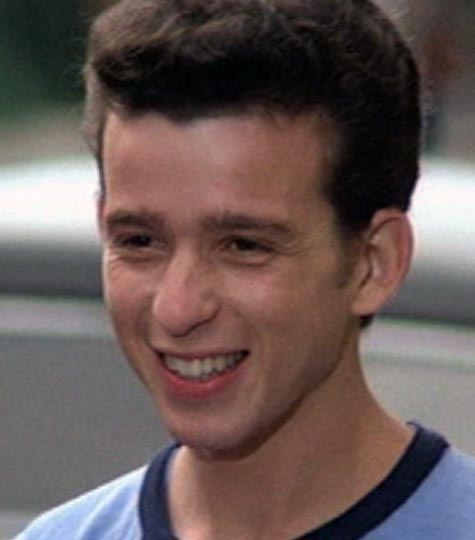
Yiftach Katzur
Benji / Bentzi View profile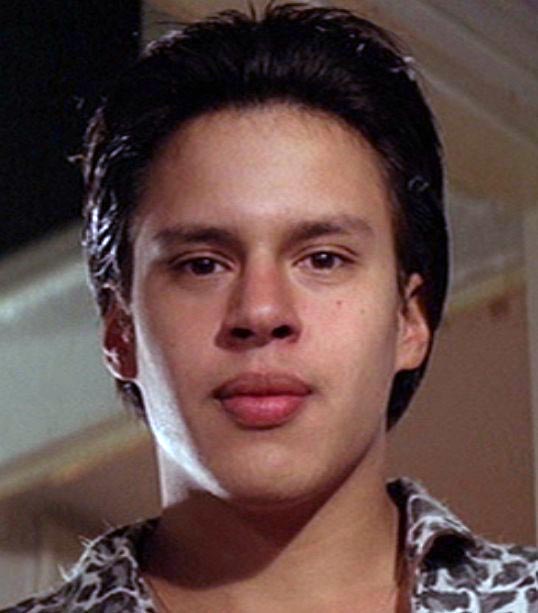
Jonathan Sagall
Bobby / Momo View profile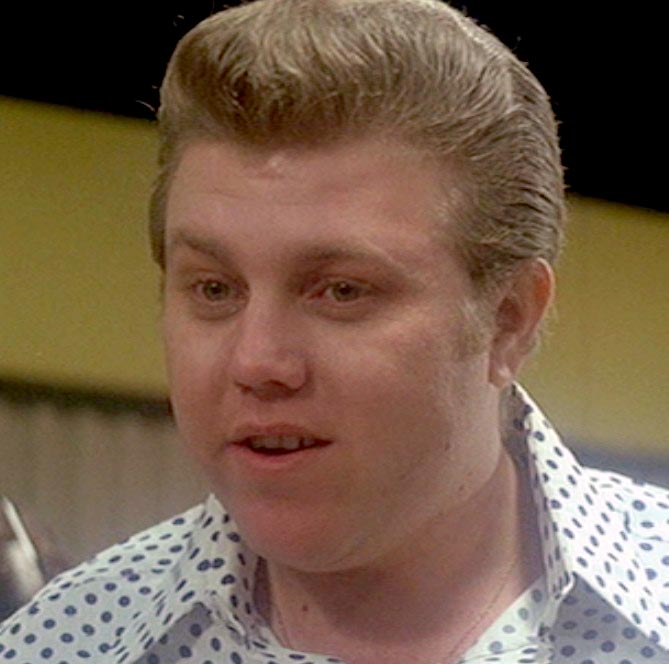
Zachi Noy
Huey / Yudale View profile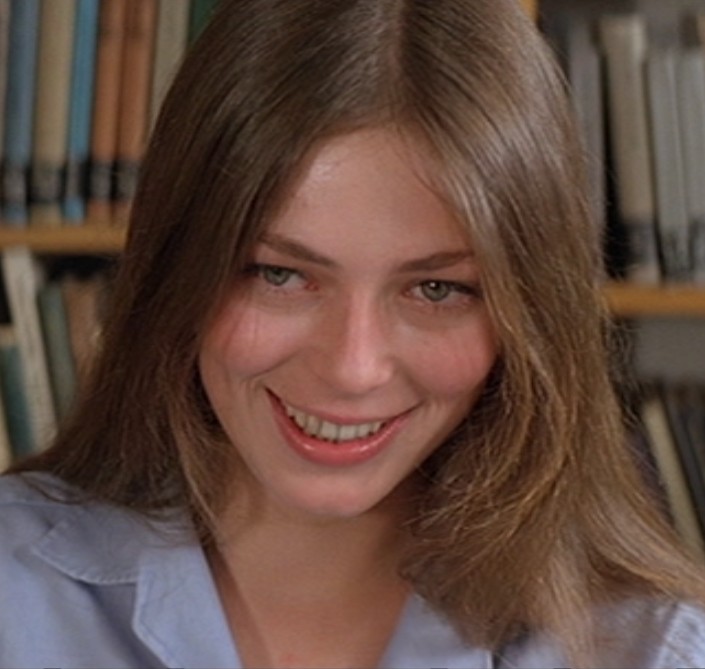
Yvonne Miklosh
Tammy View profile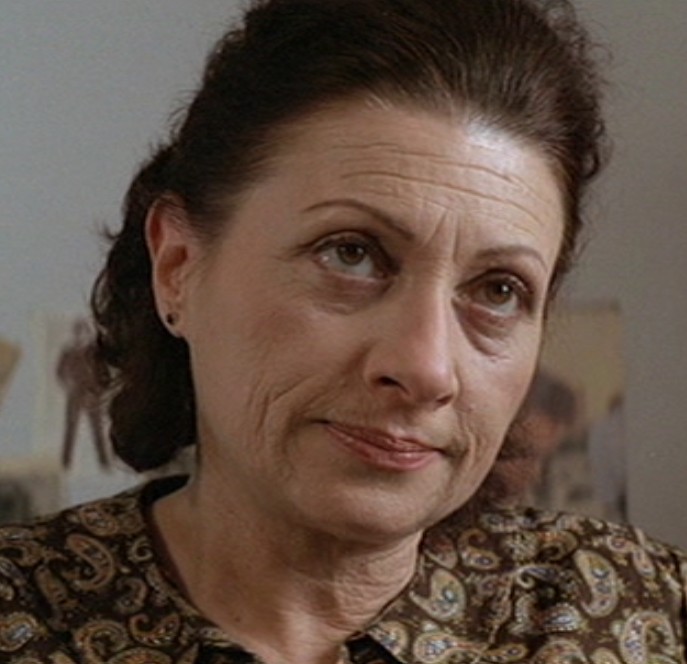
Dvora Kedar
Sonya View profile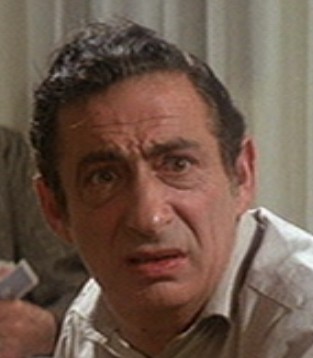
Menashe Warshavsky
Romek View profile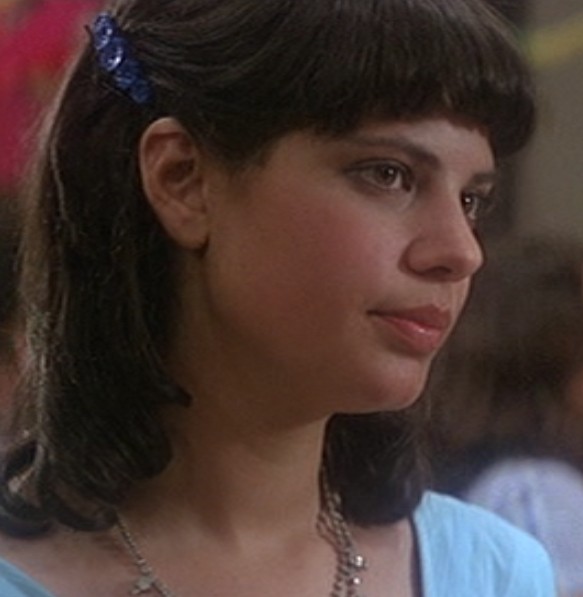
Dafna Armoni
Shelly View profile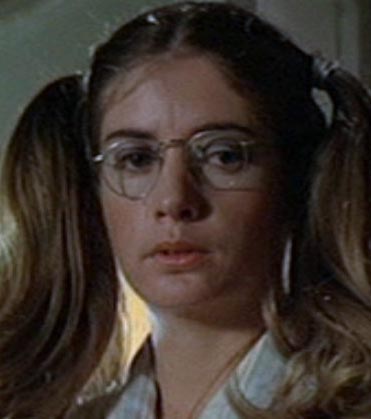
Rachel Steiner
Martha / Bracha View profileView full supporting cast











Taking Popsicle international
By the time Going Steady entered production, the success of Lemon Popsicle had already convinced Menahem Golan and Yoram Globus that the series could work far beyond Israel.
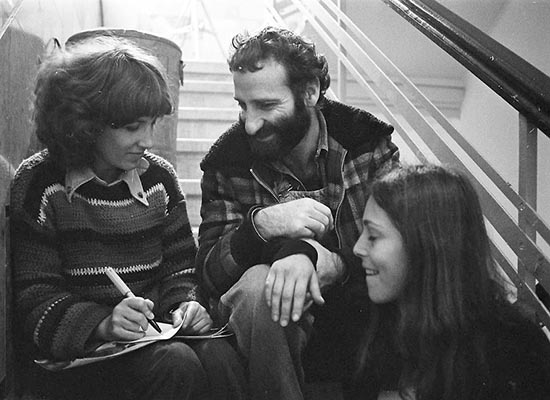
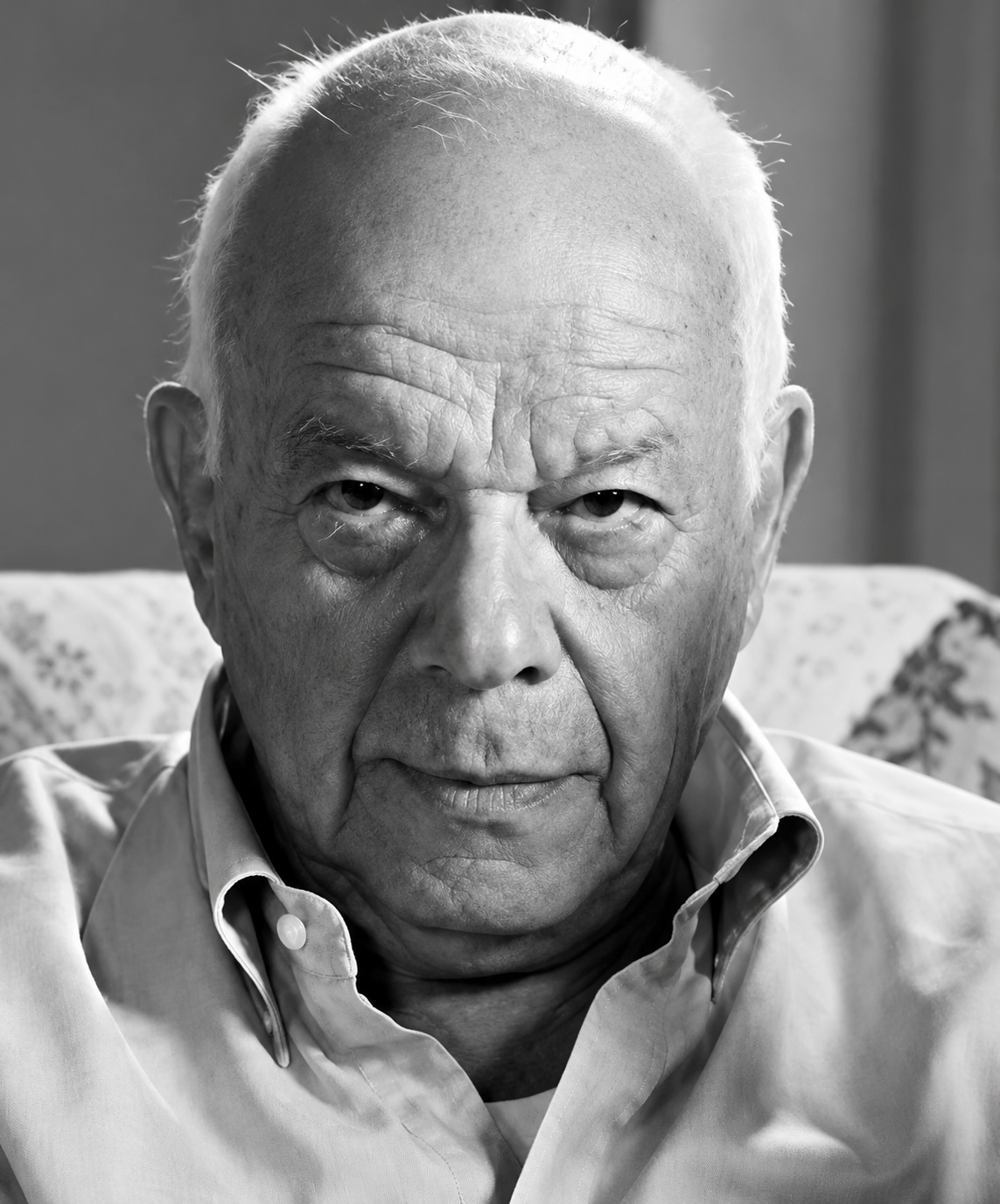
Director Boaz Davidson reunited much of the original creative team, including cinematographer Adam Greenberg and writer Eli Tavor, while expanding the emotional and romantic side of the series through Benji and Tammy’s relationship.
Unlike the first film, Going Steady was actively developed with export markets in mind. Several scenes were reportedly filmed twice — once in Hebrew for Israeli audiences and again in English for international distribution. The sequel became the only original Popsicle film to use this approach.
The decision reflected the realities of the late-1970s American market. While dubbed films were common across much of Europe, subtitled teenage comedies were considered commercially risky in the United States. Shooting alternative English-language takes gave the producers a stronger chance of selling the film abroad.
Eli Tavor
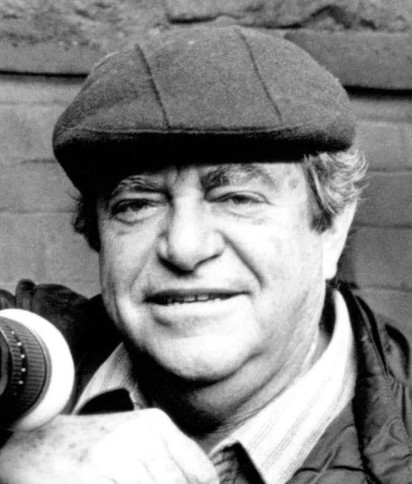
Menahem Golan
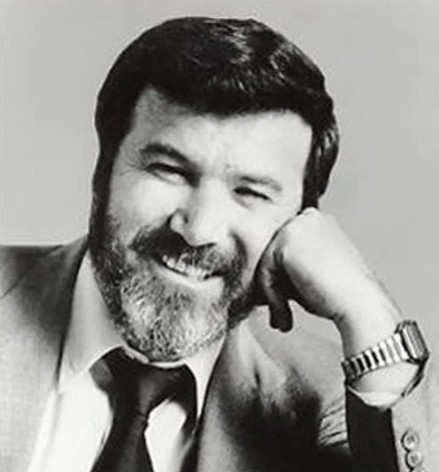
Yoram Globus
Adam Greenberg
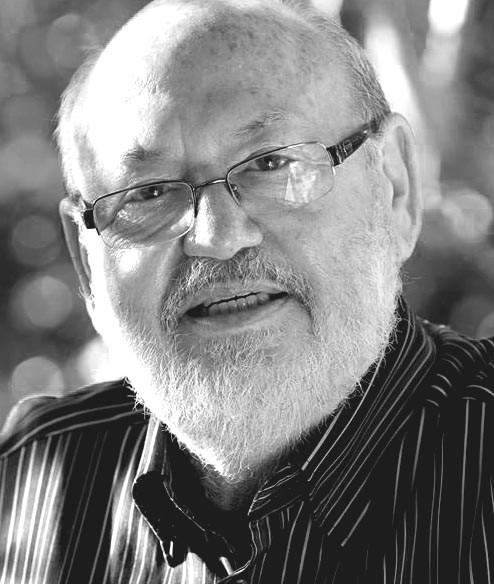
Alain Jakubowicz
View full production credits
Direction
Boaz DavidsonDirector
Ronni AckermanFirst Assistant Director / Second Unit Director
Moshe SlamaSecond Assistant Director
Production
Menahem GolanProducer
Yoram GlobusProducer
Sam WaynbergExecutive Producer
Micha ShafsteinProduction Manager / Location Manager
Bonnye RosenProduction Secretary
Camera
Adam GreenbergCinematography
Joseph ZichermanFirst Assistant Camera
Yoni HamenachemStill Photographer
Avraham LeibmanGaffer
Editing
Alain JakubowiczEditor
Ariel RoshkoEditor
Dick BernsteinAssistant Editor
Efraim ReuveniAssistant Editor
Rachel YagilAssistant Editor
Karen HoenigPost Production Coordinator
Art Department
Eitan LeviArt Director
Aria ElahProperty Master
Alfred GershoniSet Designer
Lemora SolomanAssistant Properties
Additional Crew
Naomi GolanWardrobe
Juki ArkinChoreographer
Jeanette NaeScript Girl
Moshe AlonElectrician
Avi AvrahamiElectrician
Chaim FletcherElectrician
Shmuel LevyHead Best Boy
Iko Ben DayanAssistant Best Boy